11 hr
Montenegro Coastal Adventure: Kotor & Perast Boat Cruise
Discover Montenegro's stunning coastline on an 11-hour journey featuring a scenic boat cruise and UNESCO heritage sites.
Reserve
Hand-picked by our editors — only the best 5 boat experiences from 18 reviewed.
Verified partners for every tour, free cancellation where available, and instant confirmation on every booking.
11 hr
Discover Montenegro's stunning coastline on an 11-hour journey featuring a scenic boat cruise and UNESCO heritage sites.
Reserve
11 hr
Journey through coastal Montenegro with guided stops in historic Perast and medieval Kotor
Reserve
11 hr
Cross the border for a full-day adventure exploring Perast, the island sanctuary, and Kotor's walled old town.
ReservePrices from verified partners. Availability updates in real time at checkout. Free cancellation policies apply where shown.
The landmarks, rooms, and views travelers on this tour remember — all visible on a single visit.
The maritime journey offers a superior vantage point for viewing the coastal landscape, whereas the bus excursion provides greater accessibility to inland villages; most travelers who prioritize coastal panoramas prefer the boat. Securing montenegro day trip from dubrovnik by boat tickets allows for a direct entry into the fjord-like scenery of the Bay of Kotor.
| Feature | Top pick Boat Cruise | Bus Tour |
|---|---|---|
Approach Perspective |
Panoramic coastal views | |
Transit Comfort |
Open deck with breeze | |
Flexibility |
Fixed maritime itinerary | |
Port Access |
Direct water landing | |
Travel Duration |
3–4 hours one way | |
Weather Dependency |
High sensitivity | |
| See tickets → |
Verdict: Opt for the montenegro day trip from dubrovnik by boat tour to immerse yourself in the Adriatic horizon, or choose the bus if you require more inland stopover variety for your montenegro day trip from dubrovnik by boat tours.
Choose your ticket, select your date, and reserve in under two minutes. Secure checkout handled by our verified partner.
Instant confirmation by email, with a mobile voucher you can save offline. No printing, no queuing at a collection desk.
Arrive at the entrance, show your voucher on your phone, and walk in. Most tickets include priority or skip-the-line access.
Practical details for your visit straight from our verified partners — hours, access, rules, and how to get there.
Dubrovnik, Croatia
Check-in 15 minutes before departure
Primary transit via guided maritime excursions from Dubrovnik. Typically a 2–3 hour scenic transit depending on sea conditions.
Available in Kotor for transfers to nearby coastal towns. Negotiate prices before starting the journey.
Wear comfortable walking shoes suitable for steep stone stairs. Modest clothing is recommended when entering local churches within the Old Town.
Keep luggage to a small backpack. Larger suitcases are difficult to navigate through the narrow, cobbled streets of the medieval town.
Photography is permitted throughout the public areas. Drones require specific permits and are generally restricted near historic fortifications.
The ascent to the upper reaches involves 1350 steps. Accessibility is limited within the historic ramparts due to uneven terrain and steep inclines.
Mobile signal is generally strong throughout the Bay of Kotor. Roaming charges may apply, so verify your carrier plan before arrival.
The area is suitable for active families, though the climb to the fortress is challenging for small children. Ensure children are supervised near low walls.
Numerous cafes and taverns operate within the walls. Carry a reusable water bottle as potable water fountains are located near the main squares.
Pets are allowed in the outdoor public squares. They are generally not permitted inside the museum sections or crowded fortress paths.
Ensure your passport is ready for the border crossing between Croatia and Montenegro. This maritime route is subject to sea conditions.
Best time to go, insider tips, nearby landmarks, and the cancellation fine print — flip through to skim what matters to you.
How crowds, weather, and events shift across the year.
Mild temperatures and fewer crowds in May. Ideal for hiking the fortress walls.
Warmest weather, but high tourist volume. Arrive early to beat heat.
Cooler temperatures in September. Perfect for exploring the bay surroundings.
Small details that turn a good visit into a great one.
Begin your montenegro day trip from dubrovnik by boat early to maximize time. Avoid the mid-day heat by starting your fortress hike by 08:00.
Wear sturdy footwear for the 1350 steps. The stone surface becomes slippery when wet or worn from heavy foot traffic.
Montenegro uses the EUR. Carry small denominations for the 15 EUR conservation fee if it is not included in your tour price.
The Mediterranean sun is strong throughout the season. Use adequate shade and hydration while exploring the open ramparts.
Non-bookable sights within a short walk — free to visit, easy to pair.
17th-century tower located at the main square
Dedicated to the naval history of the bay
Prominent orthodox site with notable icons
Flexible, no hidden fees.
Full refunds are available for cancellations made at least 24 hours before departure. The 15 EUR conservation fee is typically included in your tour booking.
Hand-picked options within walking distance — pick a district for vibe, or a specific hotel for convenience.
Located inside the historic Old Town walls
Features a rooftop terrace with bay views
Central location for backpackers
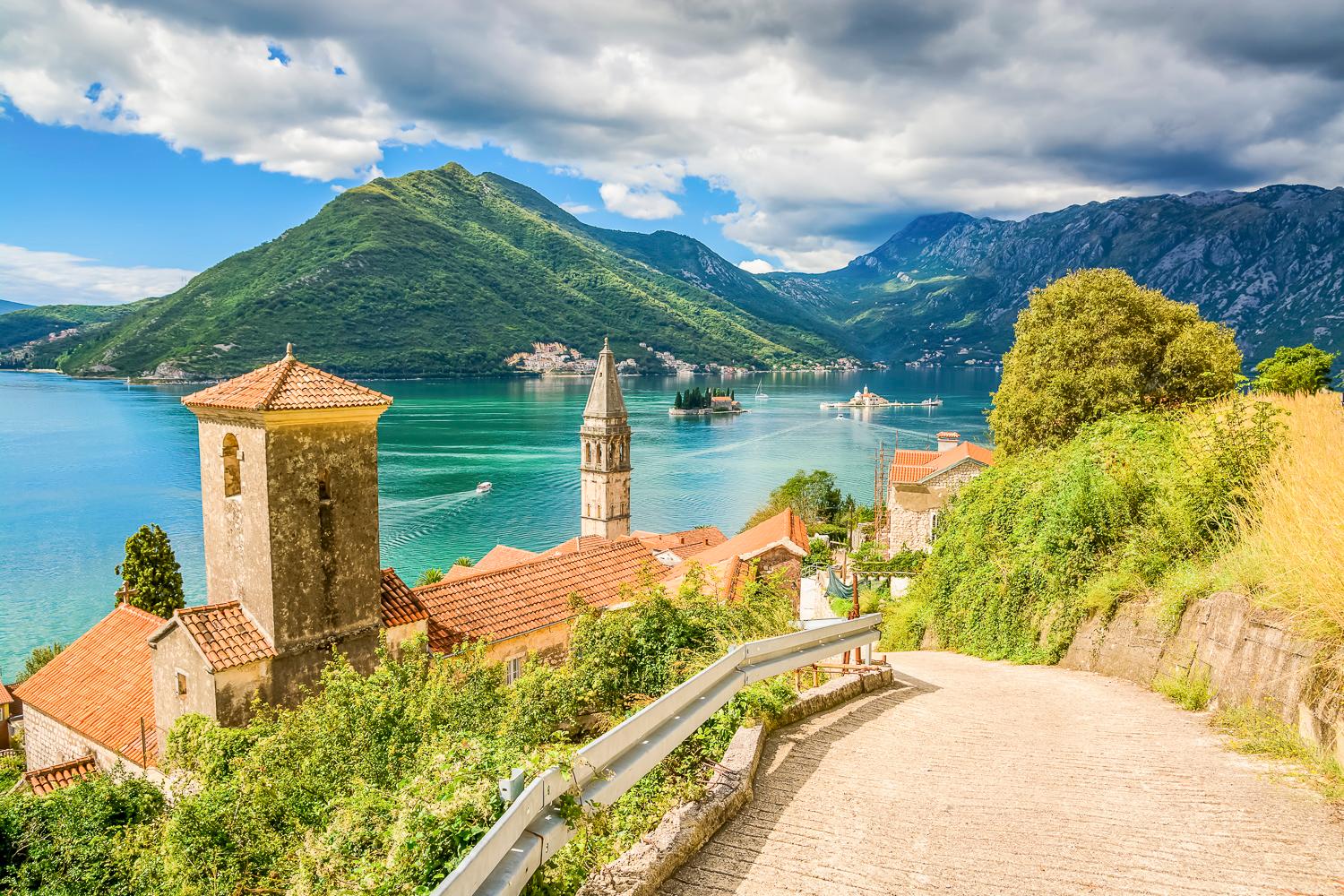
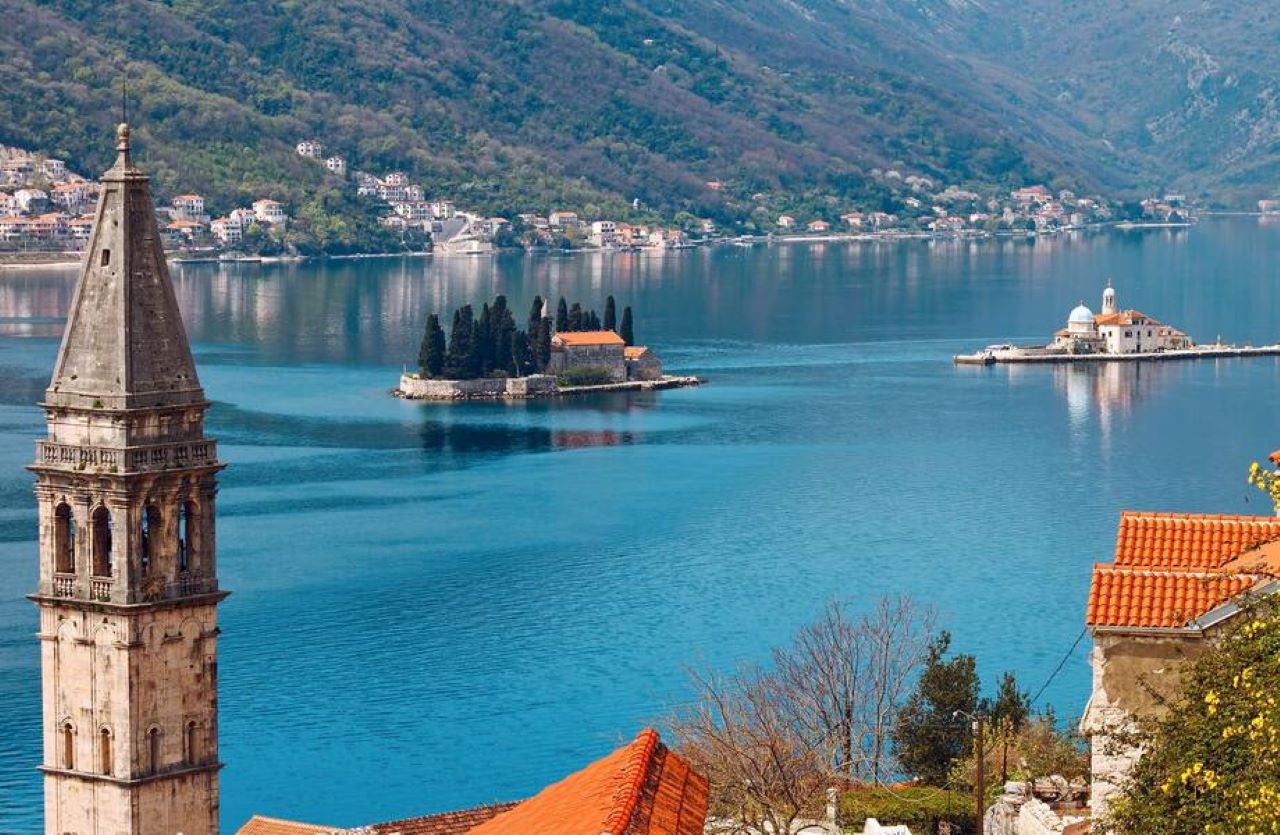
The Bay of Kotor penetrates 28 kilometers inland from the Adriatic, creating Europe's southernmost fjord and a maritime corridor that has funneled traders, navies, and pilgrims for three millennia. Venetian galleys once anchored in Perast's sheltered harbors; Austro-Hungarian naval officers charted these waters from fortified watch posts; today, tour vessels trace the same route between Dubrovnik and the UNESCO-protected bay, passing limestone cliffs that rise 1,894 meters directly from saltwater. A montenegro day trip from dubrovnik by boat follows the coastal threshold between Croatia and Montenegro, crossing open Adriatic waters before entering the Verige Strait—the 340-meter-wide channel that guards the inner bay. The approach reveals why empires fought to control this natural fortress: sheer karst walls form a defensive perimeter, while four interconnected basins—Herceg Novi, Tivat, Risan, and Kotor—provide deep anchorage for fleets. Perast, a Baroque town of 17th-century stone palaces, sits midway along the route, its skyline dominated by the bell tower of St. Nicholas Church and two offshore islets. Our Lady of the Rocks, an artificial island built atop a sunken reef by Venetian sailors, holds a chapel decorated with 68 votive paintings and 2,500 silver ex-votos left by mariners who survived storms. Kotor Old Town occupies the innermost corner of the bay, where the Skurda River once formed a natural moat. Its 4.5 kilometers of Venetian-era fortifications—built between 1420 and 1797—climb San Giovanni Mountain in 1,350 stone steps, reaching the fortress 260 meters above sea level. The medieval core, gridded around Trg od Oružja (Arms Square), preserves Romanesque churches, Renaissance palaces, and narrow kalištas (stone lanes) designed to channel defensive crossfire. Maritime heritage defines the town's layout: arsenals line the waterfront, former ship chandlers' warehouses anchor the commercial quarter, and the Cathedral of Saint Tryphon—consecrated in 1166—holds relics the Venetians transported by galley from Constantinople. Coastal access to the bay offers perspectives road travel cannot replicate. The maritime approach exposes geological strata invisible from the shore highway, traces historical shipping lanes, and delivers visitors directly to Kotor's Sea Gate—the same portal Venetian merchants used when disembarking cargo. The 15 EUR conservation fee funds ongoing restoration of the city walls, which UNESCO designated a World Heritage Site in 1979 following the 1979 earthquake that damaged 80 percent of the old town's structures.

"The Bay of Kotor penetrates 28 kilometers inland from the Adriatic, creating Europe's southernmost fjord and a maritime corridor that has funneled traders, navies, and pilgrims for three millennia."
A step-by-step walkthrough of the visit — what you'll see, how long each stage takes, and the details that matter.
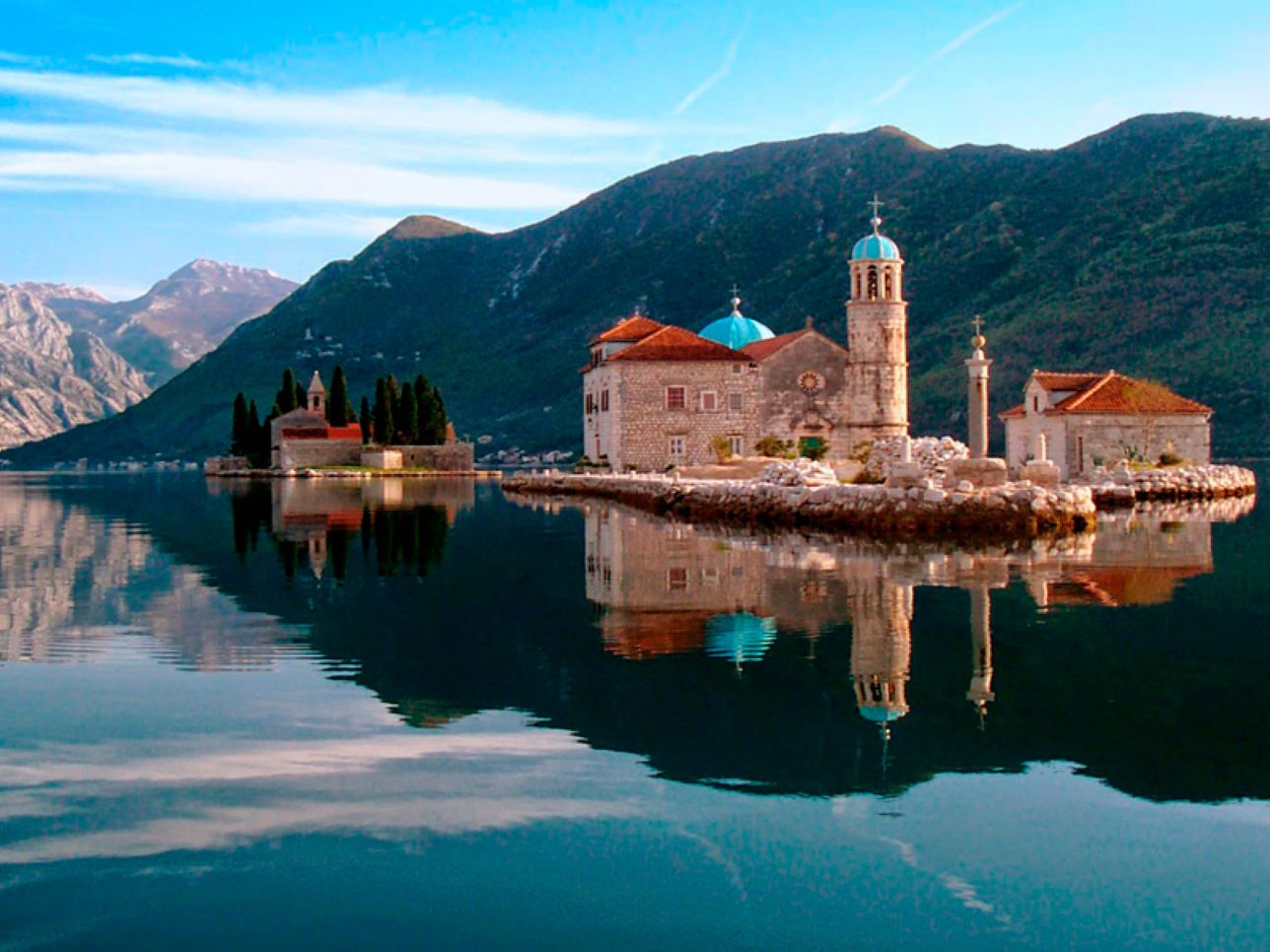
You board at Dubrovnik's Gruž harbor between 08:00 and 09:00, when morning light still slants low across the Adriatic. The vessel clears the breakwater and turns southeast, passing the Elaphiti Islands before reaching open water. Forty minutes out, the Croatian coastline recedes and Montenegro's karst massifs appear—gray limestone walls rising vertically from the sea. The boat slows at the Verige Strait, where the bay's entrance narrows to 340 meters, and you photograph the transition from open Adriatic to sheltered fjord. Perast appears first: a cluster of Baroque palaces pressed against the mountainside, church domes catching sunlight. The boat anchors offshore while you tender to Our Lady of the Rocks, the artificial islet crowned by a blue-domed chapel. Inside, 68 oil paintings depict shipwrecks, storms, and answered prayers—votive offerings spanning four centuries. Back aboard, the vessel continues deeper into the bay, tracing the shoreline past stone villages and abandoned naval fortifications. Kotor's medieval walls come into view as you round the final bend—gray ramparts zigzagging up San Giovanni Mountain. The boat docks at the passenger terminal, 200 meters from the Sea Gate. You walk the worn flagstones of the old town, then decide whether to climb the 1,350 steps to the fortress (the 15 EUR conservation fee grants access). At 260 meters elevation, the bay spreads below: a perfect natural harbor hemmed by mountains, the water traffic reduced to toy boats.
The best arrival window is 08:00–09:00 to avoid cruise ship crowds. This ensures a peaceful experience within the historic walls of Kotor.
Yes, the conservation fee for the Kotor Fortress and City Walls is 15 EUR per person.
There are 1350 steps involved in reaching the top of the fortress during your visit. Wear supportive shoes for the climb.
There are no formal age restrictions, but the trek to the fortress is physically demanding for very young children.
Yes, you can secure your montenegro day trip from dubrovnik by boat tickets through licensed tour operators before arriving at the port.
Accessibility is limited due to the historic, uneven stone architecture. Much of the site requires walking on steep inclines.
Bring your passport, 15 EUR for the conservation fee, water, sun protection, and a camera. You will need your passport for the border crossing.
Pets are allowed in the public squares of Kotor but are typically not permitted inside specific museum interiors.
The maritime transit from Dubrovnik to the Bay of Kotor usually takes between 2 and 3 hours depending on weather and vessel type.